

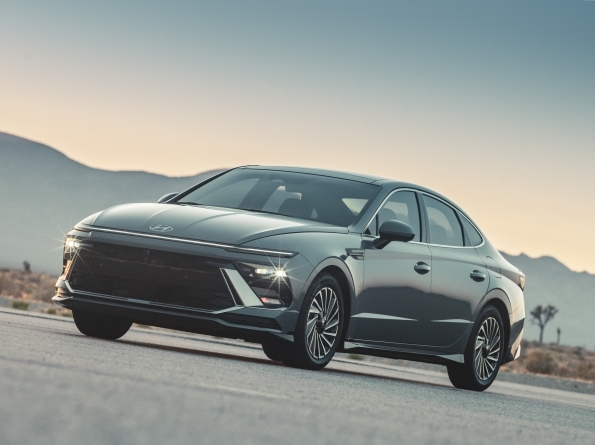
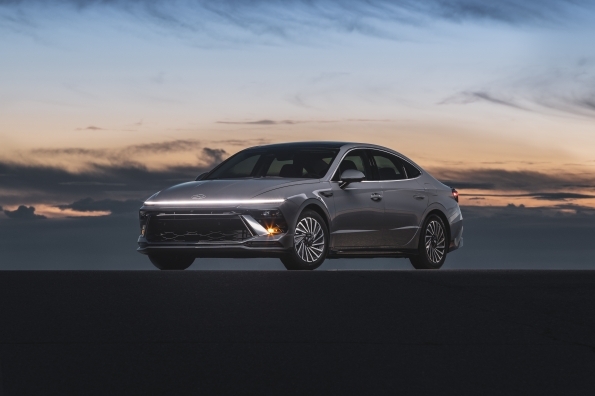
The 2026 Hyundai Sonata Hybrid Blue achieves an EPA-estimated 47 MPG city, 56 MPG highway, and 51 MPG combined, making it one of the most efficient midsize sedans available today. For drivers considering higher equipment trims, the 2026 Hyundai Sonata Hybrid SEL and 2026 Hyundai Sonata Hybrid Limited deliver an EPA-estimated 44 MPG city, 51 MPG highway, and 47 MPG combined. Both configurations provide impressive long-range efficiency, supported by a 13-gallon fuel tank that allows for up to 620 miles of total driving range on a single tank.


Engineered to streamline daily drives, the 2026 Hyundai Sonata Hybrid pairs a 2.0L GDI 4-cylinder engine with a 39 kW permanent magnet high-power density electric motor to produce a combined 192 horsepower. Power is routed to the front wheels via a smooth 6-speed SHIFTRONIC automatic transmission, avoiding the rubber-band sensation common in traditional continuously variable transmissions. This hybrid system automatically manages power delivery between electric propulsion and gas power, allowing commuters driving northbound on I-35 from Norman to maintain high fuel efficiency during heavy stop-and-go morning traffic.
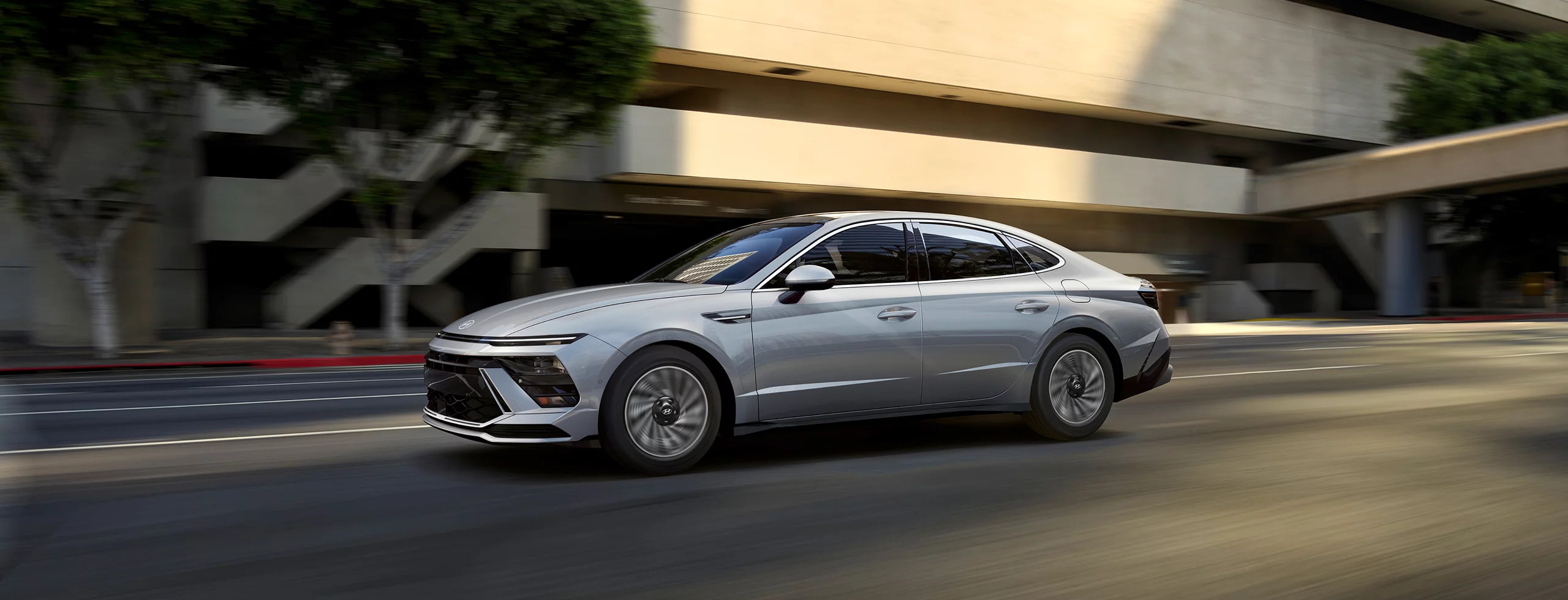
Beyond its standout fuel efficiency, every 2026 Sonata Hybrid includes comprehensive protection under America's Best Warranty. Ownership includes a 10-Year/100,000-Mile Powertrain Limited Warranty alongside a dedicated 10-Year/100,000-Mile Hybrid Battery Warranty. Standard advanced safety systems such as Forward Collision-Avoidance Assist with Pedestrian, Cyclist, and Junction Turning Detection, Lane Following Assist, and Smart Cruise Control with Stop & Go ensure that practical daily travel remains both efficient and secure. To see how these efficiency numbers fit your driving routine, check our Midwest City showroom directions or call our sales team directly to plan your visit.
Table of Contents
- Why Does the Sonata Hybrid Blue Get Better MPG Than the SEL and Limited Trims?
- How Do High-Speed Driving and Oklahoma Weather Impact Real-World Hybrid Efficiency?
- How Does Regenerative Braking Work on the Hyundai Sonata Hybrid?
- Are Oil Changes and Service Intervals Different on the 2026 Sonata Hybrid?
- Quick Answers to Common Questions About 2026 Sonata Hybrid Efficiency
- Schedule a 2026 Hyundai Sonata Hybrid Test Drive Today
- Why Does the Sonata Hybrid Blue Get Better MPG Than the SEL and Limited Trims?
- How Do High-Speed Driving and Oklahoma Weather Impact Real-World Hybrid Efficiency?
- How Does Regenerative Braking Work on the Hyundai Sonata Hybrid?
- Are Oil Changes and Service Intervals Different on the 2026 Sonata Hybrid?
- Quick Answers to Common Questions About 2026 Sonata Hybrid Efficiency
- Schedule a 2026 Hyundai Sonata Hybrid Test Drive Today
Why Does the Sonata Hybrid Blue Get Better MPG Than the SEL and Limited Trims?


The 2026 Hyundai Sonata Hybrid Blue achieves a higher fuel economy rating than the SEL Hybrid and Limited Hybrid trims primarily because of its lighter curb weight, optimized aerodynamic wheel profile, and streamlined standard equipment list. By using lightweight 16-inch alloy wheels paired with lower rolling-resistance tires, the Blue trim reduces rotational mass and road friction compared to the 17-inch Eco-spoke alloy wheels found on the SEL Hybrid and Limited Hybrid. This structural efficiency gives the Blue trim its rating of 47 MPG city, 56 MPG highway, and 51 MPG combined, representing a 4 MPG advantage in the city and a 5 MPG advantage on the highway over upper trims.
The SEL Hybrid and Limited Hybrid trims achieve an EPA-estimated 44 MPG city, 51 MPG highway, and 47 MPG combined because they carry additional premium comfort, technology, and convenience features that add overall vehicle weight. Features like a panoramic sunroof, power-adjustable passenger seats, leather seating surfaces, and additional acoustic glass insulation increase cabin luxury but require slightly more energy to propel. Furthermore, advanced hardware on the Limited Hybrid—such as the 12-speaker Bose premium audio system, Surround View Monitor cameras, and motor-driven seat ventilation—increases electrical loads on the auxiliary power system.

Despite the slight variance in EPA numbers, all three trim levels share the exact same 192-horsepower hybrid powertrain, 270V lithium-ion battery, and 6-speed SHIFTRONIC automatic transmission. Choosing between trims comes down to whether your priority centers on ultimate mileage maxing or higher-end cabin technology. If you are comparing trim choices for your daily route, feel free to explore new Sonata Hybrid inventory to evaluate detailed equipment packaging, or browse our full selection of new vehicles on the lot today.
Pricing
Pricing by trim
| Feature | Blue | Limited | SEL |
|---|---|---|---|
| Base MSRP | ~$29,200 | ~$38,250 | ~$32,450 |
Engine & Performance
Powertrain specs by trim
| Feature | Blue / Limited / SEL |
|---|---|
| Engine | 2L |
| Horsepower (combined) | 192 hp |
| Torque (electric motor / gasoline) | 151 lb-ft / 139 lb-ft |
| Transmission | SHIFTRONIC |
| Drivetrain | Front-wheel drive |
How Do High-Speed Driving and Oklahoma Weather Impact Real-World Hybrid Efficiency?
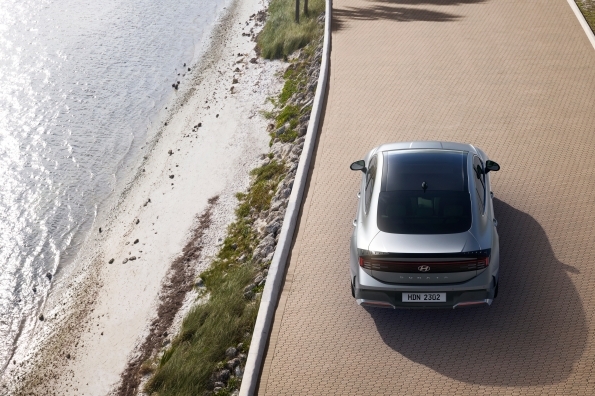
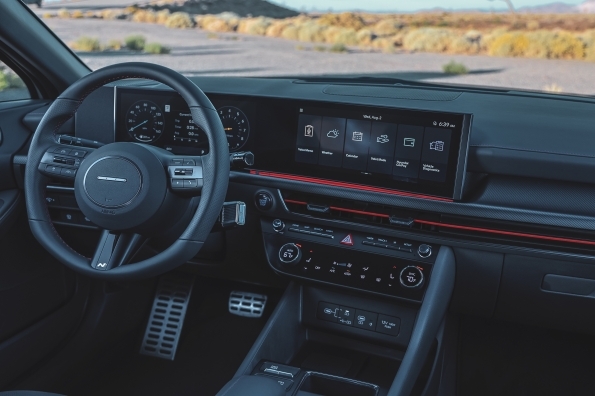
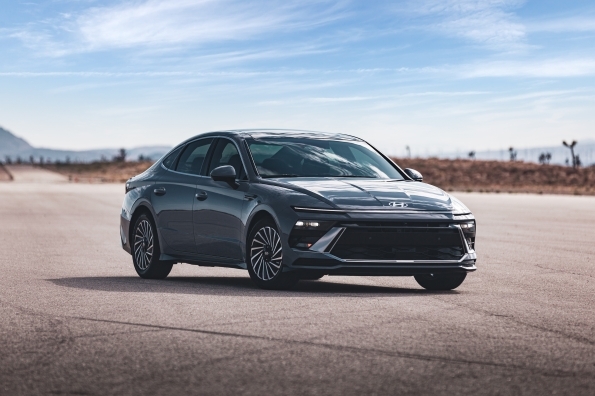
High highway speeds, seasonal temperature drops, and heavy summer air conditioning usage temporarily reduce real-world hybrid fuel economy by increasing aerodynamic drag, electrical auxiliary loads, and engine thermal warming demands. While EPA testing measures ideal driving conditions, sustained highway cruising at 70 to 75 mph increases wind resistance against the sedan body, adjusting actual highway mileage to around 44 MPG to 47 MPG. On open flat freeway stretches like the Broadway Extension during an Edmond commute, maintaining steady speeds using standard Smart Cruise Control with Stop & Go helps smooth out throttle inputs and retain high efficiency.
Seasonal weather patterns introduce distinct variables to hybrid operation throughout the year:
- Winter Cold Impacts: When temperatures drop during cold winter snaps, fuel economy typically decreases by 10% to 15%. Cold weather requires the 2.0L GDI engine to run more frequently upon startup to warm the cabin heater core and bring the engine block to optimal operating temperature. Additionally, cold temperatures temporarily slow chemical battery reactions within the 270V lithium-ion battery, reducing initial regenerative efficiency until the pack warms up.
- Summer Heat Impacts: During hot summer months, intensive use of the dual automatic temperature control system forces the gasoline engine and high-voltage electric compressor to work harder, resulting in a mild 5% to 10% reduction in overall fuel efficiency.
- Tire Pressure Fluctuations: Ambient temperature drops cause tire pressure to fall, increasing rolling resistance on the pavement. Monitoring tire pressure via the standard digital instrument cluster ensures optimal efficiency.

Drivers can maximize real-world gas mileage by taking advantage of pre-conditioning features, parking in covered garages during winter nights, and using steering-wheel paddle shifters to increase regenerative energy recovery when coasting down off-ramps. For drivers comparing hybrid ownership against traditional gasoline sedans, you can also view our pre-owned vehicle selection to explore alternative efficient options.
Fuel Economy
Fuel economy and range by trim
| Feature | Blue | Limited | SEL |
|---|---|---|---|
| MPG | 47 city / 56 hwy / 51 combined | 44 city / 51 hwy / 47 combined | 44 city / 51 hwy / 47 combined |
How Does Regenerative Braking Work on the Hyundai Sonata Hybrid?

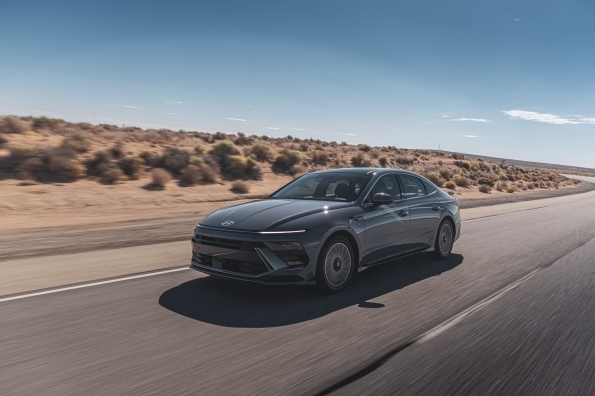

Regenerative braking on the 2026 Hyundai Sonata Hybrid converts kinetic deceleration energy—which is normally lost as heat in conventional friction brakes—into usable electrical energy to recharge the onboard 1.62 kWh lithium-ion battery pack. When you ease off the accelerator or apply light pressure to the brake pedal, the 39 kW electric motor reverses its operation, acting as a generator to slow the vehicle while sending recovered power directly back to the battery.
Drivers can actively manage the intensity of this energy recovery system using the standard steering-wheel-mounted paddle shifters. In daily traffic, selecting higher regenerative braking levels creates stronger deceleration when coasting, capturing maximum wattage during stop-and-go driving. This technology offers distinct driving benefits:
- Self-Charging Capability: The hybrid system continuously recharges its high-voltage battery through deceleration and engine output, requiring zero plug-in charging cords or external wall chargers.
- Extended Brake Component Life: Because the electric motor handles a large portion of daily slowing duties, mechanical brake pads and rotors experience significantly less physical friction and thermal wear over time.
- Smooth Power Integration: The hybrid control unit seamlessly transitions between regenerative deceleration and hydraulic disc braking, maintaining predictable pedal feel.

This recovered energy is immediately stored and redeployed to power the 51-horsepower electric motor during initial acceleration, allowing the sedan to launch silently under pure electric power. Drivers interested in upgrading from their current vehicle can browse pre-owned Hyundai options or value your trade online to see current market trade-in values.
Are Oil Changes and Service Intervals Different on the 2026 Sonata Hybrid?
Routine maintenance intervals and oil change frequencies for the 2026 Hyundai Sonata Hybrid follow the exact same regular schedule as non-hybrid Sonata models, making vehicle care straightforward and familiar. Engine oil and oil filter changes are recommended at standard 7,500-mile or 12-month intervals under normal driving conditions, using manufacturer-recommended synthetic oil to protect the 2.0L GDI 4-cylinder engine.
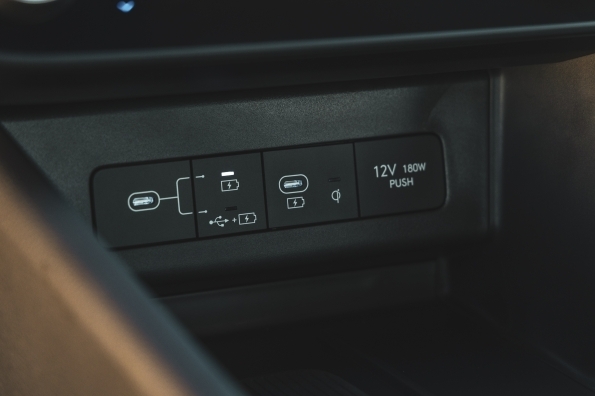
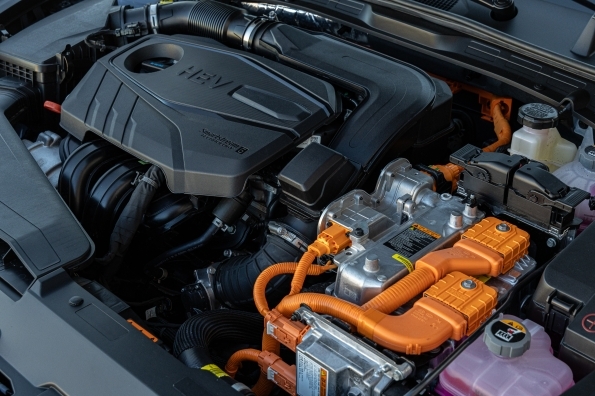
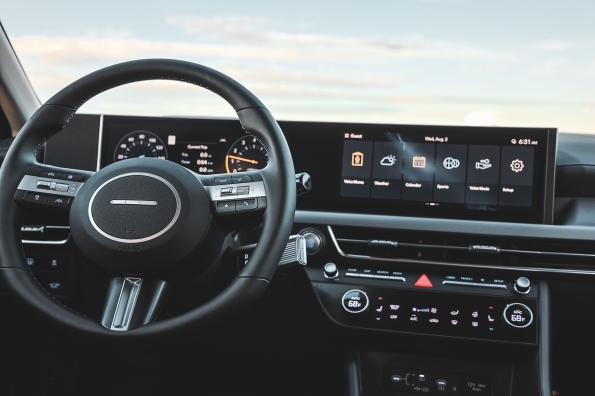
While routine engine maintenance schedules remain consistent, the hybrid powertrain provides notable long-term maintenance advantages across key mechanical systems:
- Brake System Longevity: Thanks to regenerative braking handling initial deceleration, physical brake pads and disc rotors experience far less wear, frequently lasting much longer than those on traditional internal combustion sedans.
- Transmission Fluid Service: The 6-speed SHIFTRONIC automatic transmission uses durable factory fluids designed for long-term reliability under hybrid operation.
- Cooling System Inspection: The hybrid setup incorporates dedicated cooling loops for both the internal combustion engine and high-voltage power electronics, which factory-trained technicians inspect during standard multi-point checks.
- Battery Care: The 270V lithium-ion battery is completely maintenance-free and backed by a 10-Year/100,000-Mile Hybrid Battery Warranty.
Regular tire rotations every 7,500 miles ensure even tread wear across front-wheel-drive tires, maintaining factory rolling resistance ratings. When your sedan is due for routine care, you can easily schedule your service appointment with our factory-trained technicians. If you are planning your next vehicle purchase, you can also apply for financing online to secure pre-approved credit terms.
Quick Answers to Common Questions About 2026 Sonata Hybrid Efficiency

What is the total driving range of the 2026 Hyundai Sonata Hybrid on a full tank?
The 2026 Hyundai Sonata Hybrid offers a total estimated driving range of up to 673 miles on a single tank. Equipped with a 13.2-gallon fuel tank, the Sonata Hybrid Blue trim's EPA-estimated 51 MPG combined rating allows commuters to travel long highway distances between fuel stops.
Does the 2026 Hyundai Sonata Hybrid require a plug-in wall charger?
No, the 2026 Hyundai Sonata Hybrid is a conventional self-charging hybrid that never requires external charging cords or wall outlets. The system recharges its high-voltage 270V lithium-ion battery automatically while driving through regenerative braking and surplus engine power.
How does wheel size impact the Sonata Hybrid's fuel economy ratings?
Larger wheel diameters increase rotational weight and tire rolling resistance, slightly altering EPA fuel economy ratings. The Blue trim features aerodynamic 16-inch alloy wheels rated at 51 MPG combined, while the SEL Hybrid and Limited Hybrid use 17-inch Eco-spoke alloy wheels rated at 47 MPG combined.
What warranty coverage protects the hybrid battery on the 2026 Sonata Hybrid?
Every 2026 Hyundai Sonata Hybrid comes standard with a 10-Year/100,000-Mile Hybrid Battery Warranty as part of America's Best Warranty. This coverage protects against defects in materials and factory workmanship for 10 years or 100,000 miles, whichever comes first.
Does driving in ECO mode improve real-world MPG on daily commutes?
Yes, selecting standard ECO mode adjusts throttle responsiveness and transmission shift points to prioritize electrical power assistance and minimize unnecessary fuel consumption. To learn more about hybrid ownership benefits, visit our team to learn more about our dealership family or explore genuine vehicle accessories on our parts request page.
Schedule a 2026 Hyundai Sonata Hybrid Test Drive Today
Experiencing the efficiency, quiet cabin comfort, and smooth power delivery of the 2026 Hyundai Sonata Hybrid is best done behind the wheel. Whether you are aiming for the maximum mileage of the Blue trim or the premium interior features of the Limited Hybrid, our team is ready to walk you through specs, safety technologies, and flexible purchase options.

When you are ready to explore the lineup in person, visit our showroom on SE 29th Street for a hassle-free test drive along local commuting corridors across Oklahoma City. Get directions to our Midwest City dealership or contact our sales specialists at (405) 733-1611 to schedule your visit today.
© 2026 Joe Cooper Hyundai of Midwest City. All rights reserved.